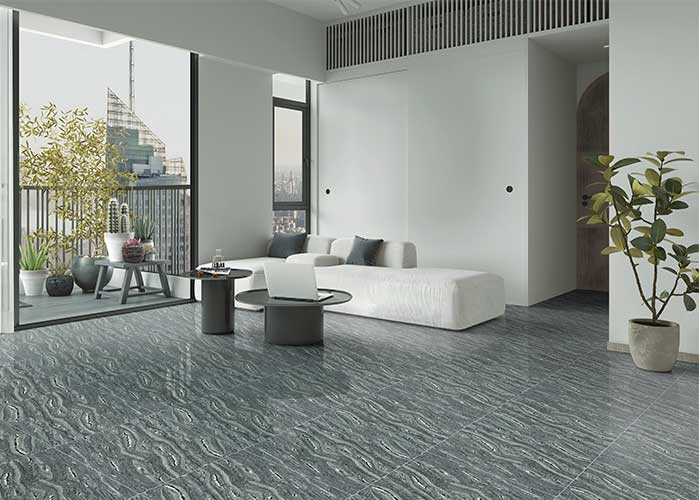
Tiles were initially considered only for flooring, but the architectural design industry has changed a lot in the past decades. The usage of tiles is now not limited to the floors, but they are used across multiple surfaces. One recently emerging trend is using tiles in exterior facades. This is probably because of the longevity, versatility, and unlimited design options available in tiles. Not just that, but tiles are also used on terraces, rooftops, and internal walls now.
Be it a residential or a commercial space, tiles are becoming architectural statements. And keeping that in mind, H&R Johnson offers a wide variety of tile options for every space and every design preference. Let’s discuss how tiles are becoming a major part of the modern
The Evolution of Tiles in Modern Architecture
Tiles have been a part of architecture for thousands of years. However, the way they were built back then and the way they are designed now are very different. Earlier, there were limited options in material, designs, and finishes. However, that is not the scenario anymore. Now, tiles come in various materials, thousands of designs, and so many finishes to suit every space.
Also, the use of tiles was limited to flooring and decorative interior walls. But now, you can find tiles for almost every surface, be it internal floors, exterior floors, facades, decorative surfaces, or commercial spaces. Talking about the designs, the modern tile designs are influenced by traditional as well as new interior design trends. Minimalism has become a significant thing, while some traditional intricate designs still stay relevant.
Now, the tile manufacturers also focus more on durability and sustainability, along with the aesthetics. The improved mechanical strength of tiles and a higher focus on sustainability are the reasons why people now prefer tiles for both interior and exterior architecture. Tiles are not just long-lasting, but also enhance the aesthetic appeal of a space.
Application of Tiles Beyond Floors
Tiles have become a significant part of modern architecture, not just because of their aesthetic benefits, but also due to the functional advantages they offer. Below are the ideal application areas of tiles beyond floors:
Exterior Facades
Tiles are now used to build the architectural identity of a building. The exterior facade of a home or commercial building is the first thing that people notice. And now, tiles are used to make these facades unique and visually appealing. Large-format tile slabs are relevant for the exterior facades. These outdoor tiles are specially designed to be weather-resistant, durable, and easy to maintain. The large tile slabs from Porselano and Marbonite by Johnson would be perfect for exterior facades.
Terraces and Outdoor Spaces
Terraces and rooftops need more than just aesthetics. For rooftops and outdoor walls, cool roof tiles from Endura by Johnson are the perfect choice. These tiles are designed to reflect maximum sunlight, keeping the interiors cooler and more comfortable. The cool roof tiles from Endura have an SRI>90 (in white colour), which makes them highly effective in resisting heat. These are suitable for rooftops, terraces, balcony walls, and exterior walls of both residential and commercial spaces.
Apart from the cool-roof tiles, anti-skid tiles are also very popular for use on terraces, balconies, and other such areas that are more likely to get slippery. Endura by Johnson has slip-resistant tiles that come with R-values ranging from R10 to R12. This makes them suitable for different spaces with varying levels of foot traffic. The higher the R value, the better the tile can resist slips and falls. Therefore, by looking at the R value, it becomes easy for you to select the tiles based on the foot traffic, inclination, and moisture level of the place. These are ideal for pathways, open terraces, corridors, ramps, wet areas, etc.
Hospitality and Commercial Projects
Hospitality projects are also using tiles to save maintenance costs. Unlike painted walls that require regular maintenance, high-quality tiles can retain their original appearance for years to come. Moreover, tiles are now available in a wider variety of designs than ever before. So, it becomes easy to achieve your desired aesthetics while also ensuring longevity. The industrial tiles collection from Endura has different types of tiles to suit different commercial spaces:
Acid & Alkali tiles with high stain-resistance for commercial spaces that use harsh chemicals
Anti-skid tiles for high foot-traffic areas
Rockway tiles for a nature-inspired aesthetic appeal
Cool roof tiles for rooftops/terraces
Tactiles for parking areas and other public spaces to assist visually impaired people
Endura designer collection for commercial areas that prioritize aesthetics along with durability
Germ-free tiles for areas like commercial kitchens, pharmaceutical labs, etc, that
Luxury Villas and Residential Architecture
Luxury villas that were earlier built with expensive natural materials like marble, sandstone, etc, now use high-quality vitrified and glazed-vitrified tiles. To give your villa a premium look, you can use large-format tiles in marble or an artistic look in the exterior facade. Apart from this, the interior feature walls, bathroom backsplashes, entryway walls, etc, can be made extraordinary with designer tiles. The large format tiles from Porselano by Johnson and textured tiles from the Expressions series are ideal for interior feature walls.
Innovation in Tile Material Technology
The reason behind the increased usage of tiles is not just the designs, but also the innovation in tile manufacturing technology. Along with the ordinary ceramic tiles that are made of clay and water, now vitrified and glazed-vitrified ceramic tiles are also available in the market. While ordinary ceramic tiles work for residential walls, vitrified and porcelain (glazed-vitrified) tiles are relevant for a variety of durfaces, including outdoor floors and walls.
Vitrified tiles, in a way, are like advanced versions of regular ceramic tiles. These tiles are stronger and have very low porosity, which makes them resistant to moisture, stains, and scratches. Additionally, glazed vitrified tiles are vitrified tiles with a special layer of glaze applied over them, which makes them smoother and enables them to maintain their original appearance for decades.
Moreover, the digital printing technology has enabled tile manufacturers to introduce an infinite number of designs. This is the reason why you can now find tiles with almost any design. For example, you might be able to find marble-patterned tiles, wooden-patterned tiles, artistic tiles, and even 3D-printed tiles in the market.
Latest Tile Design Trends
As a result of the new innovations and technologies that have been introduced in the tile industry, the design trends have also changed. Some of the latest tile designs that you might want to consider for your next home or commercial renovation project include:
Natural Aesthetics: Nature-inspired aesthetics are becoming more and more popular in the architecture and interior design industry. Nature-inspired tile designs, such as marble-look tiles, wood-look tiles, stone-look tiles, etc, add a luxury and modern look to your space.
Large Format Tiles: Large-format tiles are preferred over smaller sizes in modern designs. Especially for the exterior facades or interior feature walls and floors, you should consider large-sized tiles to achieve a seamless and modern look. These tiles also make smaller spaces look more open, adding premiumness to any space.
Minimalism: Minimalism has become a trend over the last few decades, and it is expected to stay for years to come. Minimal tile designs are preferred over very bold patterns when it comes to achieving a luxurious look.
Geometric Patterns for Sophistication: For those who want something beyond minimalism, but not too intricate designs, geometric and abstract patterns become an ideal choice.
Textured Surfaces: Textured tiles are also among the top design trends in the tile industry. Textured tiles work best for feature walls in hotels, restaurants, cafes, malls, etc, in commercial spaces and living rooms, entryways, etc, in homes.
How H&R Johnson is Shaping Architectural Tile Innovation?
H&R Johnson provides a variety of tiles for different architectural needs and aesthetics. With the help of technology, our tiles are designed to be long-lasting and low maintenance. From minimalist designs to bold artistic designs for feature walls and even external facades, H&R Johnson has all types of tiles to suit every requirement. With our tiles, architects and individuals can create spaces that are not just visually appealing but also very functional.
You can check out our entire range of tiles or visit our expert guidance page to find out which tiles are right for your space!